
"It's climbing and striving for something always beyond."— Emily Carr, Hundreds and Thousands: The Journals of Emily Carr
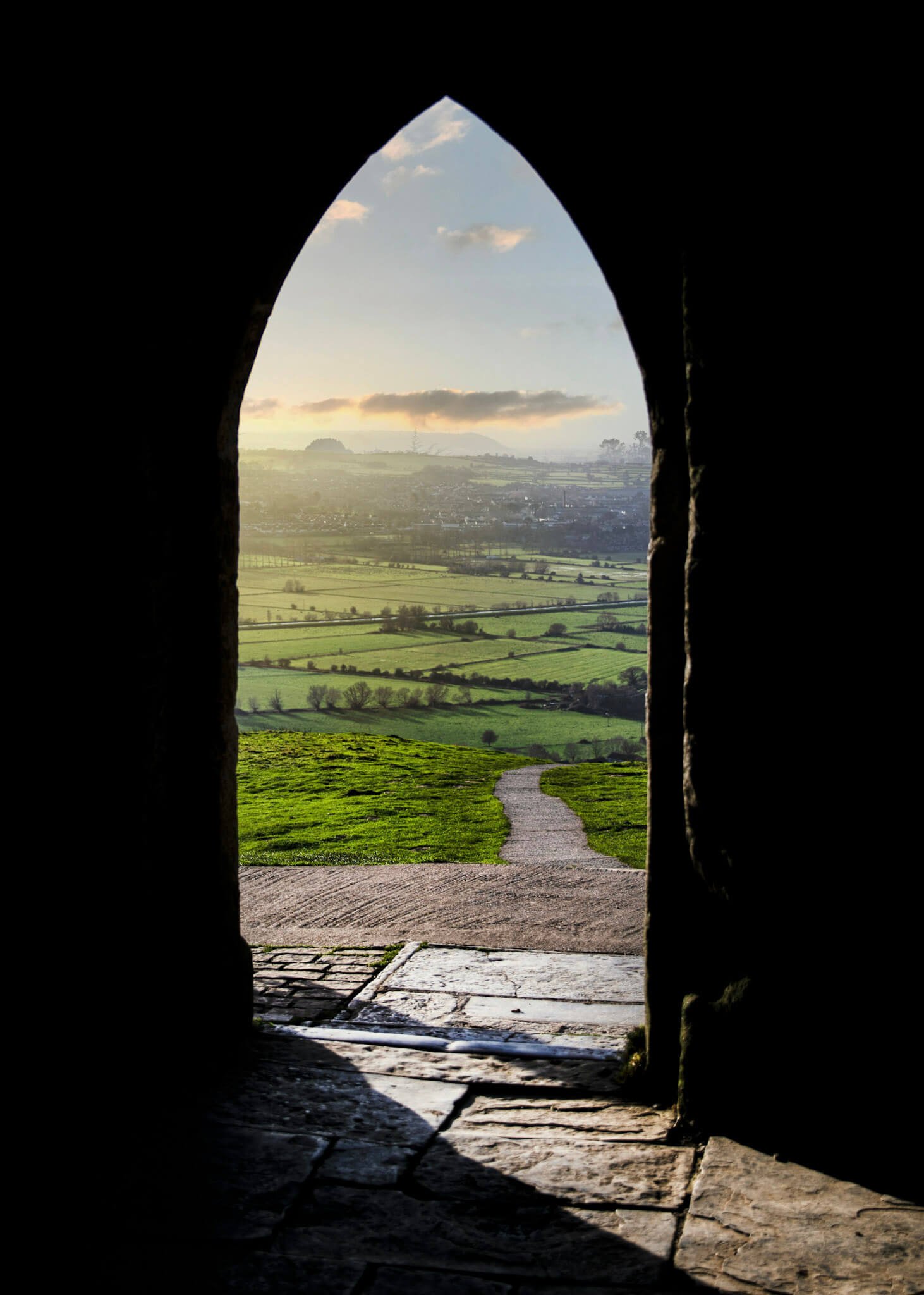
Photo by Rowan Freemanon Unsplash
Most of us start reaching for something better before we could even name it — somewhere back in adolescence, and it rarely leaves after that. We build a family, a career, a life, in service of that same reaching, mostly without deciding to.
Emily Carr reached for it through paint. Then, for fifteen years, she nearly stopped — disappointed the work wasn't selling, she became a landlady instead, running a boarding house she called, half-bitterly, The House of All Sorts. The practical choice. The calmer water.
But she never fully let go. Up in its attic, away from her tenants, she painted two enormous eagles across the ceiling — nobody's business but hers. Not the work she wanted. Just enough to keep something better from disappearing.
In 1927, at fifty-five, a National Gallery exhibition finally put her paintings in front of people who understood them — among them Lawren Harris, who told her simply: "You are one of us." Fifteen years of near-silence ended there. What came after is the work she's remembered for.
She'd put it in her own words, years later: "Who of us knows just why we do what we do, much less another's whys, or what we're after? Art is not like that; cut and dried and hit-at like a bull's eye and done for a reason and explained away by this or that motive. It's climbing and striving for something always beyond."
She knew exactly how long a person can keep climbing,
and what it costs to keep the reaching alive when the body,
or the world, asks you to stop.
What's the "something better" you've quietly set aside — and do you still believe it's just a delay, not an ending?
As an Amazon Associate, Words That Stay earns from qualifying purchases.
If this resonated, you might also enjoy: Mary Oliver, “On Presence” and Naomi Osaka, “On Restraint”