
On Second Blooming - Agatha Christie.
“I have enjoyed greatly the second blooming that comes when you finish the life of the emotions and of personal relations; and suddenly find — at what I used to think was a very advanced age — that a whole new life has opened before you.”
— Agatha Christie.
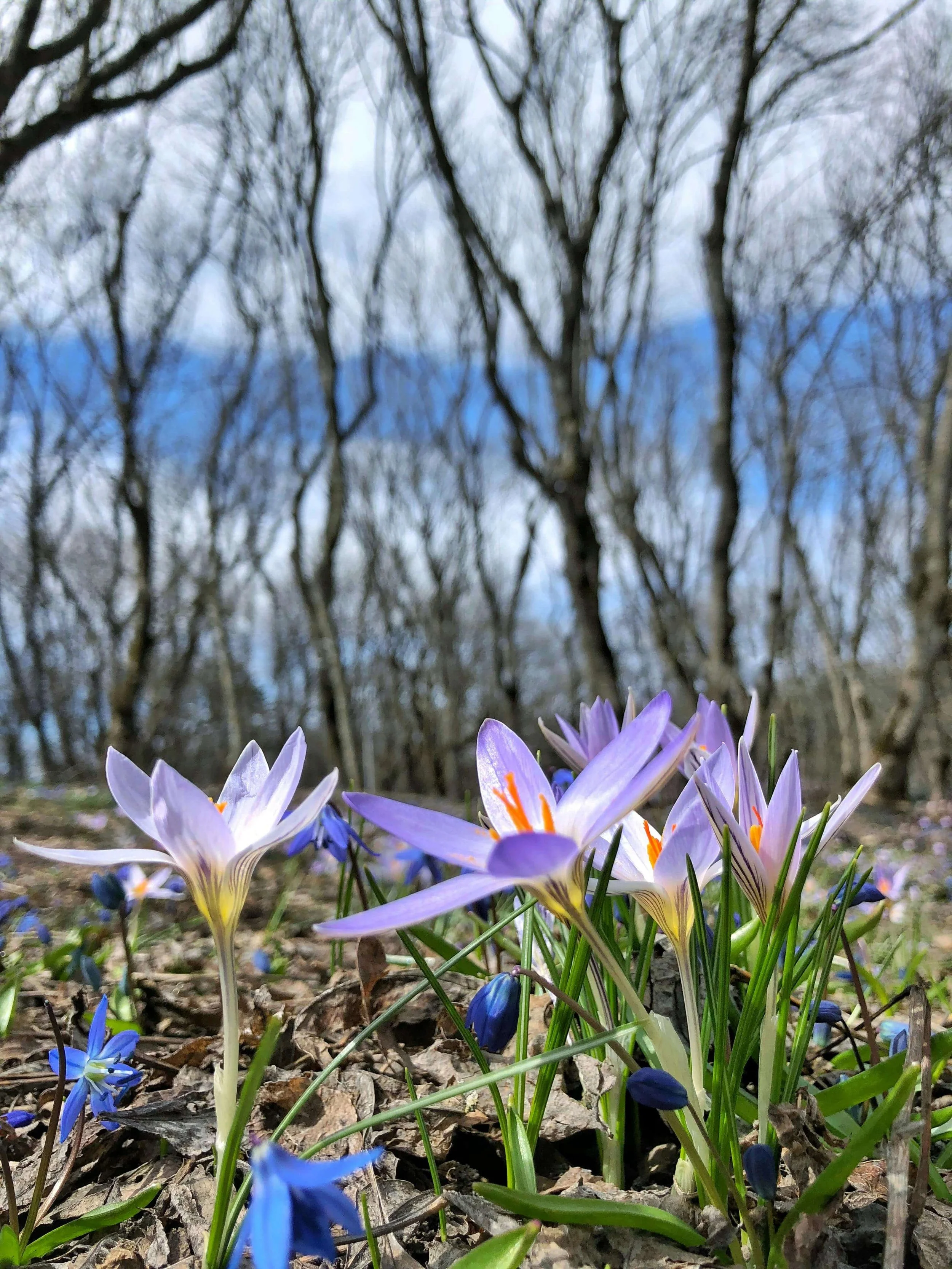
Photo by Artem Meletov on Pexels
Agatha Christie wrote those words in her seventies. She had already survived a failed marriage, a public disappearance that made international headlines, and decades of being dismissed as merely a genre writer. Then something shifted.
She wasn’t describing a comeback. She was describing something quieter — the discovery that after the noise of building a life, proving yourself, and surviving the hardest chapters, a different kind of aliveness becomes possible.
Charles Darwin published his most important work at 50. Laura Ingalls Wilder wrote her first book at 64. Nelson Mandela became president at 76. Grandma Moses picked up a paintbrush at 78 when arthritis made embroidery impossible.
None of them were finished.
They were just beginning differently.
Science is catching up to what they already knew. Recent research from the University of Toronto found that people who feel younger than their biological age are rated by others as more competent, more vibrant, and healthier. The second blooming isn’t just possible. It’s visible.
What chapter of your life are you too quick to call finished — and what might actually be just beginning?
If this resonated, you might also enjoy: On Adaptation — Viktor Frankl and On Endurance — Frida Kahlo
