
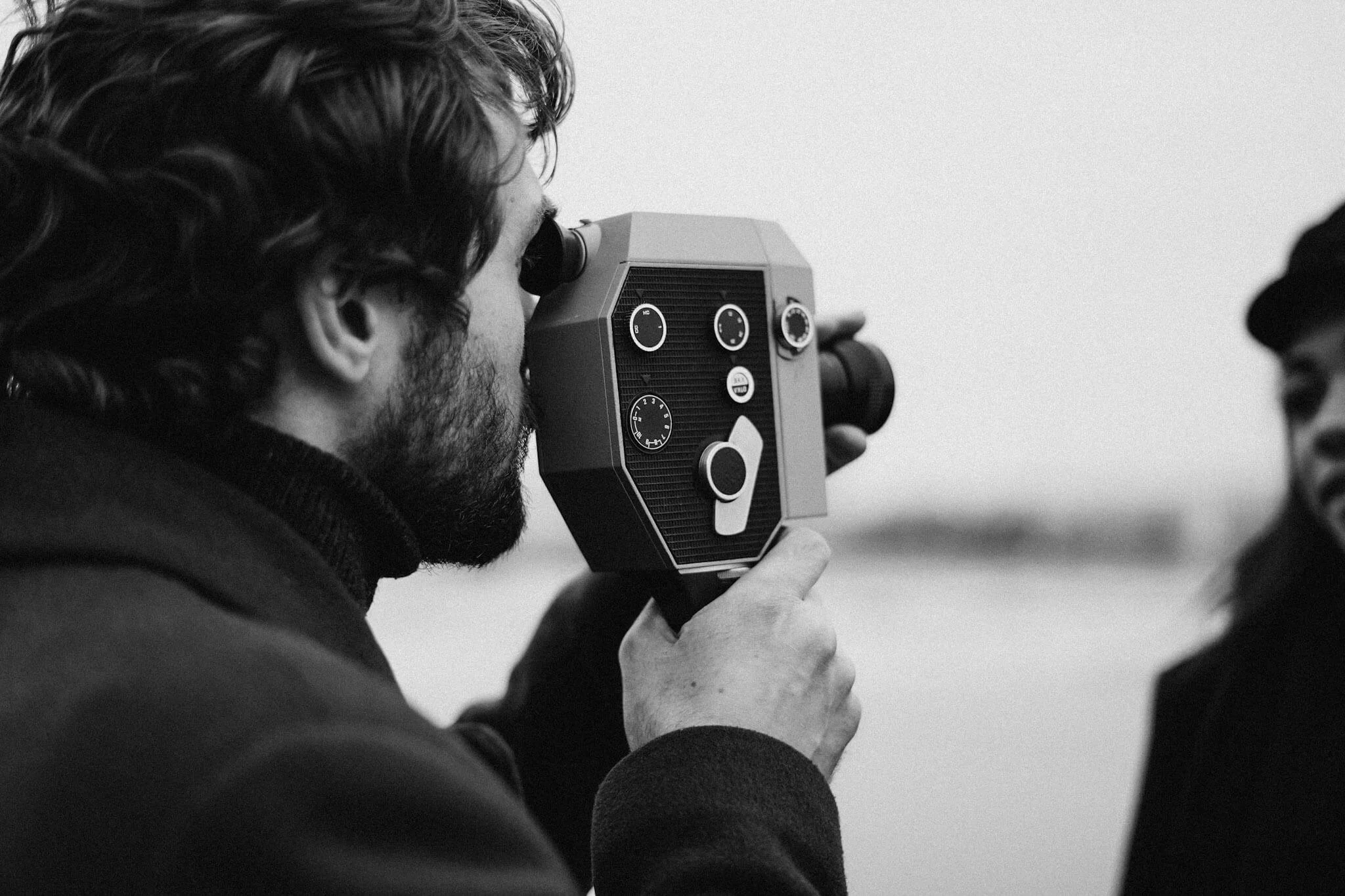
Photo by cottonbro studio on Pexels
Why would a film student reach for the word island?
Vilmos Zsigmond grew up in Hungary through World War II and the Soviet-imposed government that came after it. At seventeen, bedridden for three months with a kidney infection, he was given a book on photography by his uncle. The new regime called his family bourgeois and wouldn’t let him study photography. So he saved up for a camera, taught himself, and started a camera club to teach the other workers at his factory. Impressed, the local authorities sent him to film school in Budapest.
He would go on to win the Academy Award for Best Cinematography for Close Encounters of the Third Kind. Yet when Anthony Bourdain’s cameras found him in Budapest, one thing he talked about was film school: an island, he said, in the craziness.
Many of us have lived through our own turbulent years, somewhere. The island is rarely grand: family, a weekend game, a job that has to be done. Work, especially, helps in a quiet way. It asks for your full attention, gives the day something solid to hold, and for a few hours the news has to wait outside the door. If we didn’t have an island, I suspect we’d have to invent one.
These days some of us build islands out of screens and news feeds. I wonder, honestly, whether those are islands or just more water.
Most of us need one, though.
Don’t we?
Is your island a place where you can put the noise down,
or has the craziness followed you there?
If this resonated, you might also enjoy: Frida Kahlo on “Endurance” and Van Gogh on "The Hunt"